This episode is sponsored by Focusaur — an AI-powered focus console built for deep work and daily habits. If your phone keeps pulling you away from your best work, Focusaur creates the physical friction that gives you your focus back. They're in the final days of their Kickstarter campaign. Visit mikevardy.com/focusaur to learn more.
Our conversation begins with a deeply personal story that shaped James’s life’s work and unpacks how revenge functions like an addiction — one fueled by pain, dopamine, and unchecked desire. What follows is a fascinating look at how our minds process grievance, why forgiveness is a neurological superpower, and how awareness can keep us from being consumed by cycles of anger and retaliation.
Six Discussion Points
- How a violent act of bullying led James to study the neuroscience of revenge
- The brain’s pain and reward circuits — and how they make revenge feel like a drug
- Why grievances compound and can trigger impulsive reactions
- The distinction between self-defense, grief, and revenge
- How forgiveness shuts down the brain’s pain network and restores self-control
- Why awareness, reflection, and tools like journaling can help break the revenge cycle
Three Connection Points
This conversation reminded me that the pause — that small, deliberate moment between grievance and reaction — can change everything. James’s work shows us that forgiveness isn’t about excusing others; it’s about freeing ourselves. I hope this episode helps you reflect on where small moments of release might lead to greater clarity, peace, and yes, productiveness.
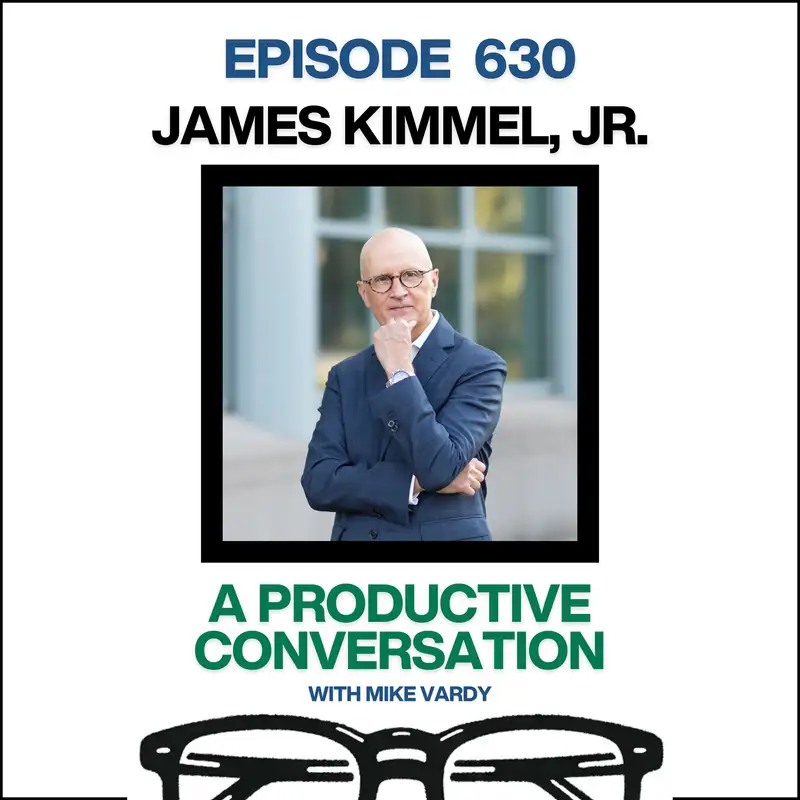 Episode 630